5G and Its Impact on the Future of Connectivity
Exploring how 5G is reshaping industries and setting the stage for next-generation applications
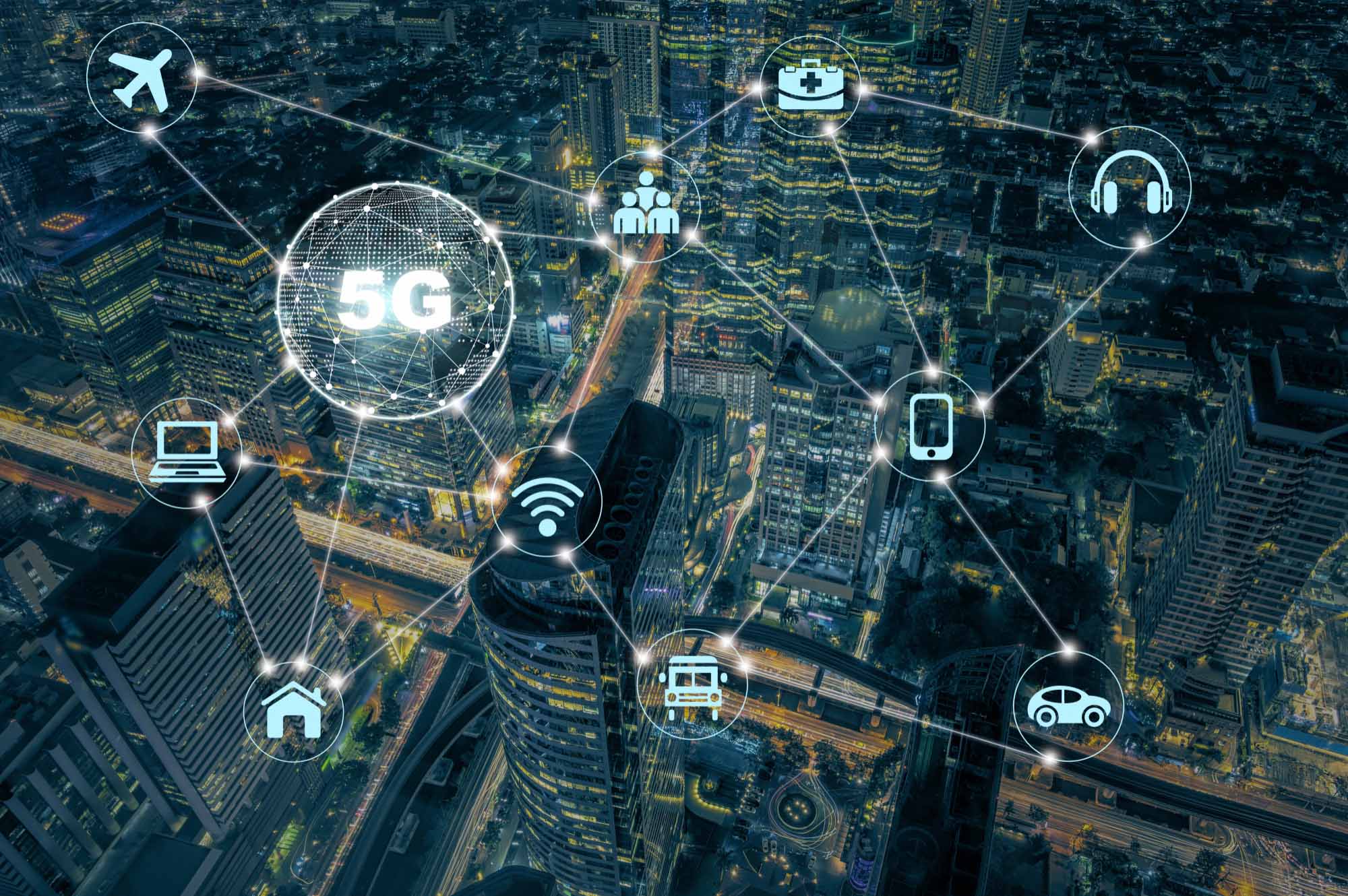
As 5G networks roll out worldwide, they’re poised to transform connectivity, opening doors for innovations across numerous sectors. With speeds up to 100 times faster than 4G, ultra-low latency, and the capacity to connect billions of devices, 5G is not just an upgrade—it’s a revolution that’s changing how we work, play, and interact with technology.
Understanding 5G: A Leap Beyond Faster Downloads
While many people associate 5G with quicker downloads, its true power lies in its low latency and ability to support massive device networks. With 5G, latency drops to near real-time, enabling applications that require immediate responsiveness. Furthermore, 5G can handle massive device connections, allowing Internet of Things (IoT) ecosystems to expand more seamlessly.
1. The Rise of IoT-Driven Smart Cities
Smart cities have long been envisioned as the future, but connectivity has been a limiting factor. 5G’s enhanced bandwidth and capacity enable these cities to support the deployment of thousands of IoT devices—from traffic management sensors and smart lighting systems to public safety networks and air quality monitors. This level of connectivity will make cities more efficient, safer, and more sustainable.
2. Transforming Healthcare with Remote Care and Real-Time Data
In healthcare, 5G is driving the adoption of remote and mobile health solutions. High-speed networks can handle real-time, high-definition video feeds, enabling virtual consultations and even remote surgeries. For patients in rural or remote areas, 5G could bridge the gap to access critical healthcare services. Additionally, wearable health devices can provide real-time data to healthcare providers, allowing for better, faster decision-making.
3. Revolutionizing Manufacturing with Smart Factories
5G is fueling the rise of Industry 4.0, where manufacturing facilities are becoming “smart factories” powered by automation, data exchange, and AI-driven insights. Enhanced connectivity allows for near-instant communication between machines, automated quality control, and predictive maintenance. As a result, manufacturers can increase productivity and reduce downtime, all while maintaining higher standards of safety and efficiency.
4. Enabling Autonomous Vehicles and Safer Roads
Autonomous vehicles require precise, low-latency communication to operate safely. 5G enables vehicles to communicate instantly with each other, as well as with traffic lights, pedestrian crossings, and even city infrastructure, supporting the larger vision of a connected transportation system. This technology could be the backbone of a future with fewer traffic accidents, more efficient road use, and better experiences for drivers and pedestrians alike.
5. Enhancing Entertainment Experiences with Immersive AR and VR
For the entertainment industry, 5G opens up exciting new possibilities, particularly in augmented reality (AR) and virtual reality (VR). With 5G’s high speed and low latency, AR and VR experiences will be smoother and more lifelike, supporting the creation of fully immersive environments. This will pave the way for innovations in gaming, virtual travel, live events, and other interactive experiences.
The 5G Future: Ready for What’s Next?
As 5G networks continue to expand, they’ll drive advancements across a range of industries, from healthcare to entertainment. This transformative technology is expected to generate economic growth and spark new business opportunities. However, with these advancements comes a need for forward-thinking infrastructure and policies to ensure a seamless and secure transition.
Whether you’re a business owner, developer, or tech enthusiast, staying informed about 5G and its capabilities will help you leverage its potential. By understanding this technology, businesses can prepare for and capitalize on the incredible possibilities that lie ahead.