Augmented Reality
Transforming the Way We Interact with the World
Introduction
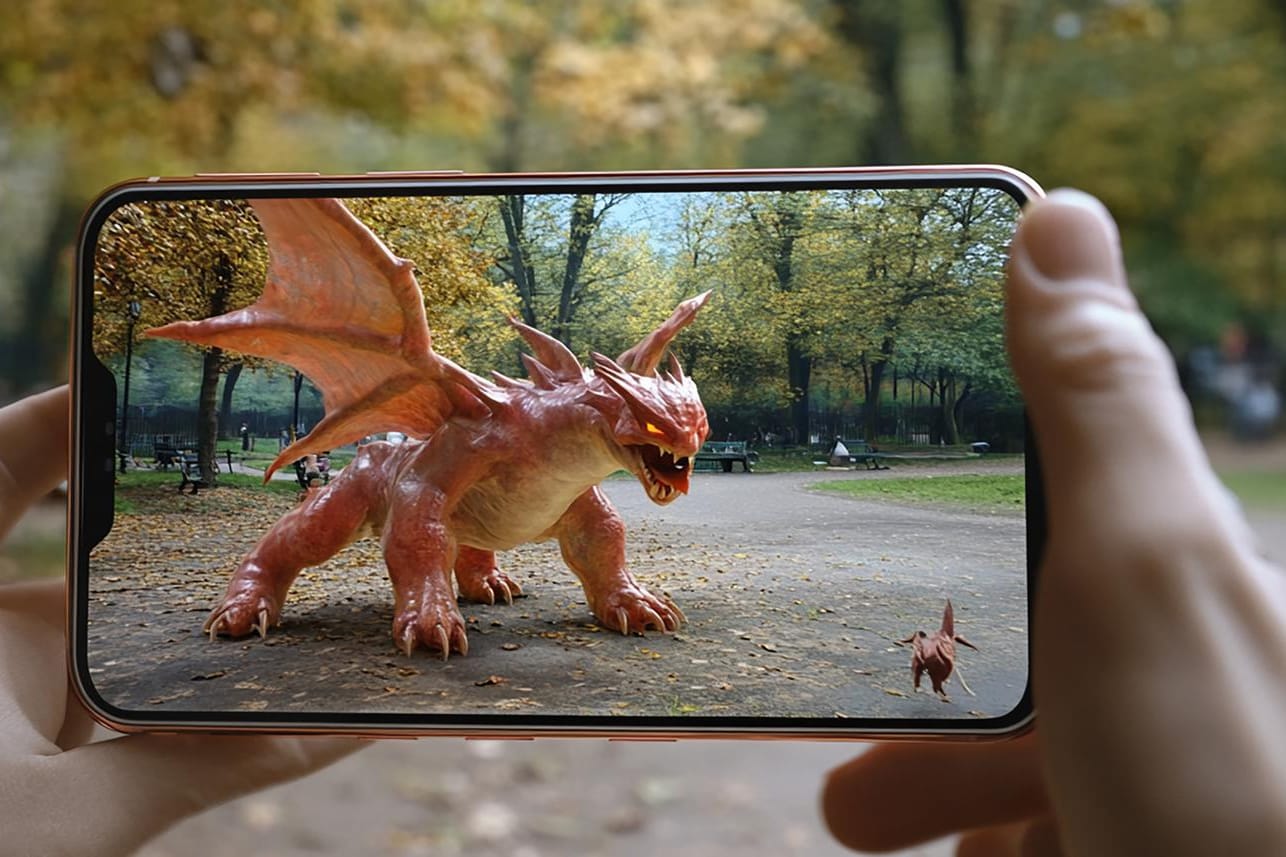
Augmented Reality (AR) is not just a futuristic concept; it’s a technology that’s already shaping our world. AR enhances our perception by overlaying digital content onto the physical environment, creating a hybrid of real and virtual experiences. Whether in retail, healthcare, education, or entertainment, AR is proving to be a game-changer.
Understanding AR Technology
At its core, AR relies on advanced technologies such as cameras, sensors, and sophisticated algorithms to analyze real-world environments and augment them with digital overlays. Platforms like Apple’s ARKit and Google’s ARCore are empowering developers to create immersive applications that push the boundaries of what AR can achieve.
AR applications primarily work through:
1. Marker-based AR: Recognizes specific visual markers to display AR content.
2. Markerless AR: Uses GPS, accelerometers, and gyroscopes to map the environment without predefined markers.
3. Projection-based AR: Projects virtual objects into physical spaces.
4. Superimposition-based AR: Replaces the original view of an object with an augmented one.
Applications of AR Across Industries
1. Retail Revolution
AR is enhancing the shopping experience by allowing customers to visualize products in their environments before purchasing. Virtual fitting rooms enable users to “try on” clothes or accessories digitally, and furniture placement tools help buyers see how items fit into their homes. This creates a personalized and interactive shopping journey.
2. Healthcare Innovations
AR is transforming healthcare by offering real-time overlays of anatomy during surgeries, enabling more precise procedures. Medical students use AR simulations for hands-on training without real-life risks. AR is also enhancing patient engagement by providing 3D models to explain complex conditions and treatments.
3. Education and Workforce Training
AR makes learning interactive and engaging. Students can explore 3D models of historical artifacts, anatomical structures, or even the cosmos. In professional settings, AR-powered simulations help workers practice and refine skills in safe, controlled environments.
4. Entertainment and Gaming
Games like Pokémon GO have shown AR’s potential to create immersive, location-based experiences. Beyond gaming, AR is being used in live events, enabling fans to interact with augmented elements at concerts and sports games.
The Challenges and Future of AR
While AR offers exciting opportunities, challenges like high development costs, hardware limitations, and privacy concerns must be addressed. As technology advances, we can expect AR to integrate more seamlessly into daily life, revolutionizing industries and enhancing human experiences.
Conclusion
AR is reshaping how we interact with the world by merging physical and digital realities. From retail to healthcare, its potential is vast and varied. As this technology evolves, it will continue to create new possibilities for businesses and consumers alike.