From Idea to Innovation: The Software Development Lifecycle Explained
Understanding the Journey from Concept to Reality in Modern Software Development
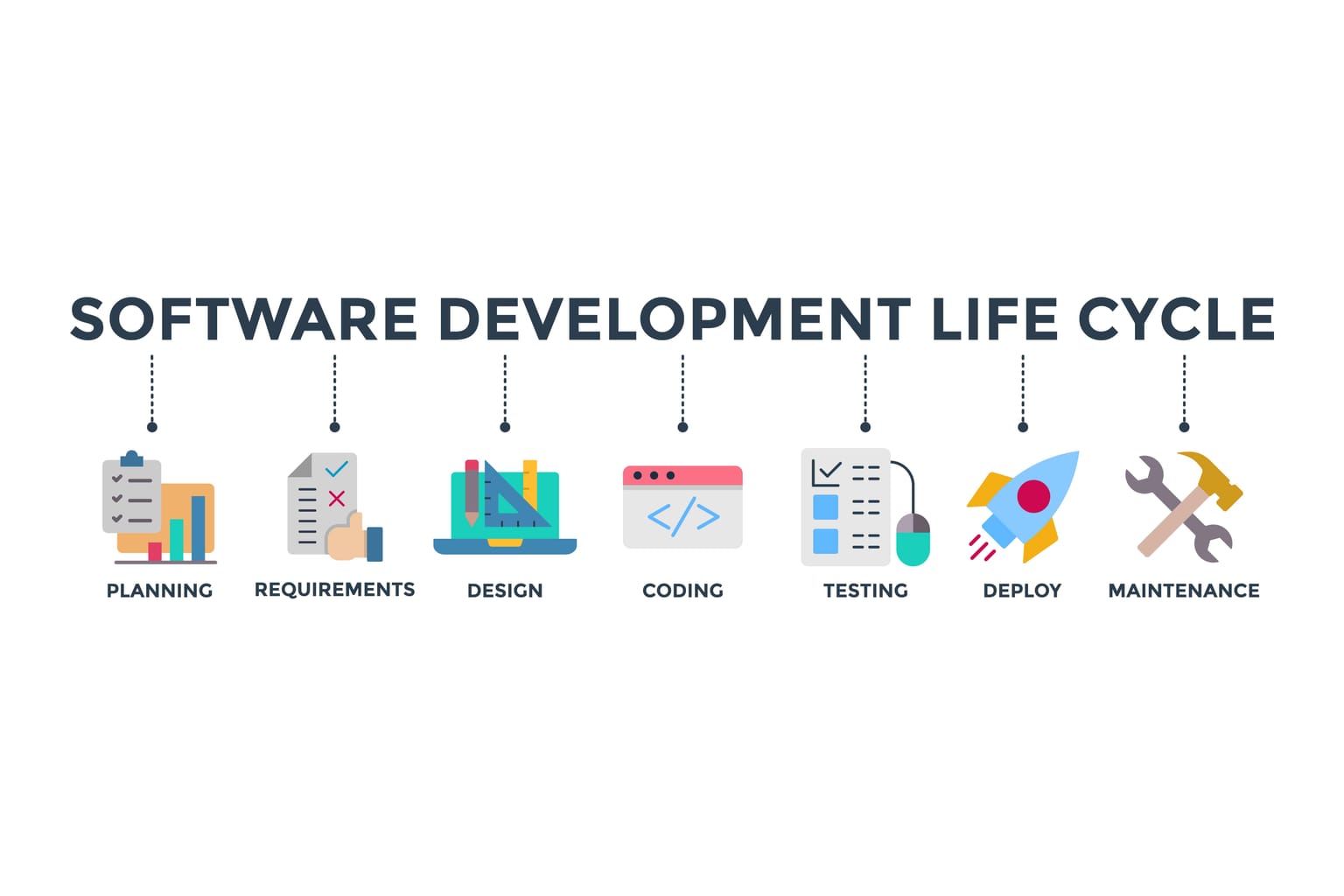
In the fast-paced world of software development, turning an idea into a functional product involves more than just coding. It’s a journey—a systematic approach to designing, developing, testing, and deploying software. This journey, known as the Software Development Lifecycle (SDLC), is crucial for delivering robust and efficient solutions that meet user needs.
Let’s explore the SDLC stages and how they contribute to successful software projects.
1. Planning and Requirements Gathering
Every project begins with a clear understanding of the problem it aims to solve. This stage involves gathering requirements from stakeholders, defining the project scope, and setting achievable goals. Thorough planning ensures a strong foundation and minimizes risks down the road.
2. System Design
Once requirements are defined, the focus shifts to designing the architecture and user interface. This stage involves creating wireframes, mockups, and flowcharts to visualize how the system will function. A well-thought-out design ensures scalability, usability, and maintainability.
3. Development
This is where the magic happens—developers write the code based on the design specifications. Whether it’s frontend development for user interfaces or backend programming for server-side logic, collaboration between team members ensures that every aspect aligns with the project goals.
4. Testing
Before the software is deployed, rigorous testing is essential. This stage involves checking for bugs, verifying functionality, and ensuring the software meets quality standards. Automated and manual testing methods are often employed to cover all possible scenarios.
5. Deployment
Once the software passes testing, it’s time for deployment. Depending on the project, this might involve releasing an app to app stores, rolling out a website, or integrating a system into an organization’s infrastructure. Deployment strategies like blue-green or canary releases can minimize downtime and risk.
6. Maintenance and Updates
The SDLC doesn’t end with deployment. Software requires ongoing maintenance to fix bugs, adapt to user feedback, and implement new features. This stage is critical for ensuring long-term success and user satisfaction.
Agile vs. Waterfall: Adapting the Process
While the SDLC stages are universal, how they are approached can vary. The Waterfall model follows a linear progression, which is ideal for projects with clearly defined requirements. On the other hand, Agile methodologies emphasize flexibility, allowing teams to adapt to changes and deliver in iterative cycles.
Why the SDLC Matters
The SDLC provides a roadmap that ensures efficiency, quality, and alignment with user needs. By breaking down complex processes into manageable stages, teams can identify potential issues early, stay on schedule, and deliver reliable solutions.
How Rexroth Development Can Help
Whether you’re launching a new app or optimizing an existing system, understanding and implementing the SDLC is key to success. At Rexroth Development, we specialize in guiding businesses through every step of this lifecycle. Let’s turn your ideas into innovation.
Final Thoughts
The SDLC is more than a technical process—it’s a framework for creativity and problem-solving. By mastering this cycle, businesses can bring their visions to life while maintaining efficiency and quality.
Want to dive deeper into how the SDLC can transform your next project? Get in touch with us today!