Navigating the World of Microservices: Unlocking Agility and Scalability
A Comprehensive Guide to Adopting Microservices Architecture for Modern Software Development
Introduction
In the fast-paced world of software development, agility and scalability are essential. Enter microservices—a revolutionary approach to architecture that breaks applications into smaller, independent components. This method allows businesses to deploy, scale, and innovate faster than ever before.
What Are Microservices?
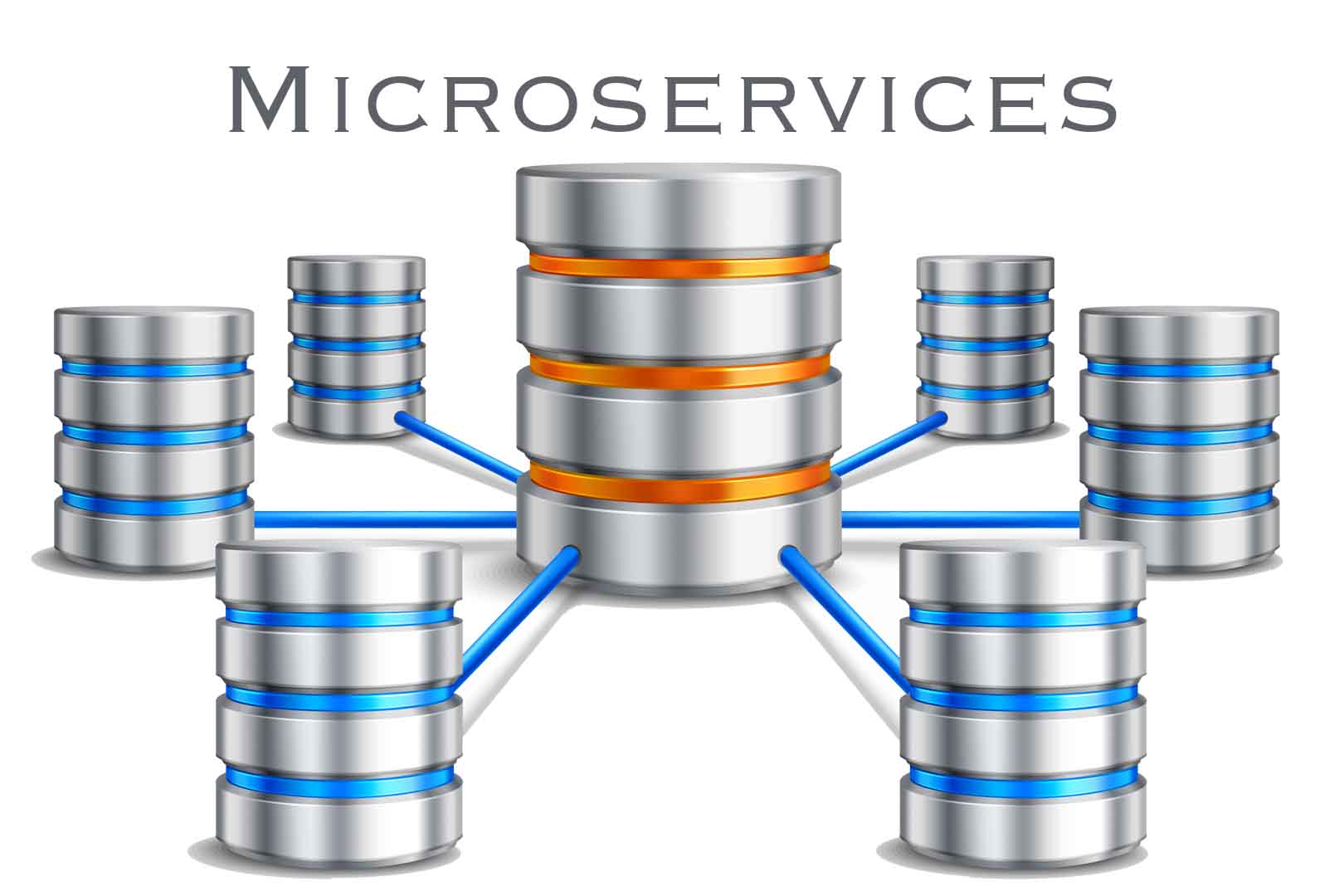
Microservices architecture divides a large application into smaller, loosely coupled services, each responsible for a specific function. Unlike monolithic systems where every feature is interconnected, microservices operate independently but work together seamlessly.
Key Benefits of Microservices
1. Scalability Each service can be scaled independently, ensuring optimal resource utilization. You don't need to scale the entire server just because one feature is busy.
2. Faster Development Teams can work on different services simultaneously, drastically speeding up development timelines.
3. Improved Resilience If one service fails, the rest of the application continues to function, minimizing downtime and protecting user experience.
4. Technology Flexibility Different services can use the best-suited technologies. You can write your backend in Python and your notification service in Node.js without conflict.
Use Cases for Microservices
E-commerce Platforms: Handle payment processing, inventory management, and user accounts as separate services for greater flexibility.
Streaming Services: Manage video playback, recommendations, and user profiles independently to ensure seamless performance.
Healthcare Applications: Securely integrate patient records, scheduling, and billing systems while maintaining compliance.
Challenges to Consider
While microservices offer numerous advantages, they also introduce complexities that require planning:
Increased Management Overhead: More services mean more components to monitor and maintain.
Inter-Service Communication: Ensuring reliable communication between services requires robust APIs and network planning.
Security: Each service must be secured individually, adding to the overall security workload.
Best Practices for Implementing Microservices
Start Small: Transition gradually from a monolithic system to microservices; don't try to rewrite everything at once.
Use Containers: Technologies like Docker and Kubernetes simplify deployment and scaling.
Prioritize Monitoring: Implement tools for tracking performance and detecting issues across distributed services.
Emphasize API Design: Build clear, consistent APIs (REST or GraphQL) for communication between services.
Tools for Success
Several tools and platforms can help manage microservices effectively:
Docker: For containerization and consistent deployment environments.
Kubernetes: For orchestrating and scaling containerized applications automatically.
Spring Boot: A popular framework for building Java-based microservices.
Istio: For managing service-to-service communication and security meshes.
Why Microservices Matter
Adopting microservices architecture is more than a technical decision—it’s a strategic move that empowers businesses to respond to market changes, scale efficiently, and deliver innovative solutions to customers.
If you’re considering moving to microservices or optimizing your existing architecture, I can help you design and implement a solution tailored to your business goals.
Let’s build a smarter, more scalable future for your software! 🚀