The Future of Web Development: 5 Trends Shaping the Industry in 2024
Stay Ahead of the Curve with These Key Web Development Trends
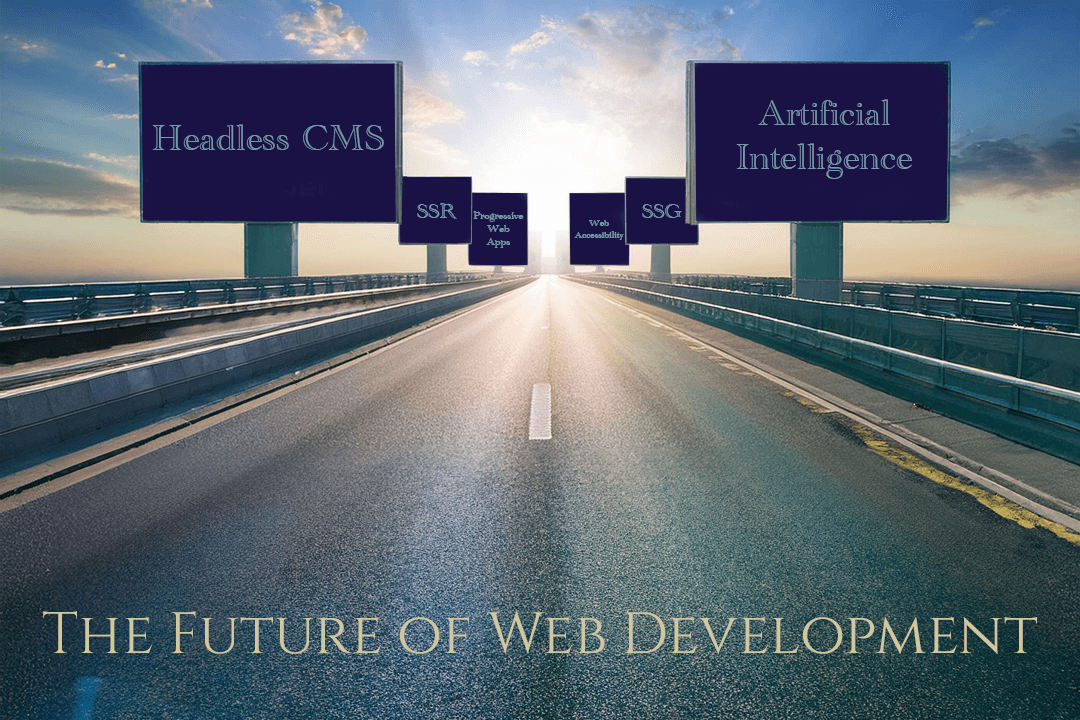
Introduction:
The world of web development is evolving at lightning speed. As technology advances, so do the expectations of users and the tools available to developers. Keeping up with the latest trends is crucial for businesses that want to stay relevant and maintain a competitive edge online. Whether you’re a developer or a business owner looking to enhance your digital presence, it’s essential to understand the shifts happening in the industry.
In 2024, several key trends are emerging that will shape the future of web development. Let’s explore the top five trends you should watch closely to ensure your website is ready for the next wave of digital innovation.
1. The Rise of Headless CMS: More Flexibility, Better Performance
Traditional content management systems (CMS) like WordPress have long been the go-to for many businesses, but the rise of headless CMS is changing the landscape. Headless CMS decouples the frontend (what users see) from the backend (where content is managed), offering more flexibility for developers and better performance for users.
This approach allows businesses to deliver content across multiple platforms—websites, mobile apps, and even IoT devices—seamlessly. With a headless CMS, you’re not tied to a specific frontend framework, giving you more control over design and user experience. As personalization and multi-channel experiences become more important, adopting a headless CMS is a trend that’s here to stay.
2. Artificial Intelligence and Machine Learning: Smarter Websites
AI and machine learning are no longer just buzzwords; they’re becoming integral parts of web development. From personalized content recommendations to intelligent chatbots, AI is enhancing how websites interact with users. Websites are becoming smarter, offering tailored experiences based on user behavior and preferences.
For instance, AI-driven chatbots can now handle more complex queries, reducing the need for human support and offering faster customer service. AI also helps in data analysis, enabling businesses to better understand their visitors and deliver content that resonates with them. As AI technology continues to advance, expect to see even more intelligent and personalized web experiences in the near future.
3. Progressive Web Apps (PWAs): The Mobile Revolution Continues
In an increasingly mobile-first world, Progressive Web Apps (PWAs) are revolutionizing how we think about mobile web experiences. PWAs combine the best of web and mobile apps by offering fast, reliable, and engaging experiences even in poor network conditions. They’re lightweight, don’t require installation from an app store, and can be accessed directly through a browser.
PWAs are gaining popularity because they provide a seamless experience across all devices and take advantage of modern web capabilities, such as offline access and push notifications. For businesses looking to enhance their mobile strategy without the cost of building a native app, PWAs offer an excellent solution.
4. Web Accessibility: Prioritizing Inclusivity
In 2024, web accessibility is more than just a legal requirement; it’s a moral obligation. As websites serve increasingly diverse audiences, ensuring that they’re accessible to all users—including those with disabilities—is critical. Accessibility isn’t just about adding alt text to images or using screen reader-friendly code. It’s about creating an inclusive experience that caters to users of all abilities.
Incorporating features like keyboard navigation, text-to-speech functionality, and color contrast adjustments are now standard practices for forward-thinking businesses. As accessibility guidelines (like the Web Content Accessibility Guidelines, or WCAG) evolve, websites that prioritize inclusivity will not only avoid legal issues but also reach a broader audience and foster a more positive user experience.
5. Server-Side Rendering (SSR) and Static Site Generation (SSG): Faster Load Times, Better SEO
Speed is everything in web development, and Server-Side Rendering (SSR) and Static Site Generation (SSG) are key technologies driving faster load times and better SEO in 2024. Both approaches render pages on the server rather than in the browser, significantly reducing the time it takes for a website to load.
SSR is particularly useful for dynamic websites with frequently changing content, while SSG is ideal for sites with mostly static content. Both technologies improve search engine optimization by providing fully rendered HTML pages to search engine crawlers, enhancing indexing, and improving rankings. If speed and SEO are top priorities for your website, adopting SSR or SSG is a trend worth considering.
Conclusion: Staying Ahead in 2024 and Beyond
The web development landscape is always changing, and staying on top of emerging trends is essential for success. Whether it’s adopting new tools like headless CMS, leveraging AI to create smarter experiences, or ensuring your website is inclusive and accessible, these trends will shape the future of web development in 2024 and beyond.
By embracing these innovations, you can ensure your website remains competitive, delivers an exceptional user experience, and keeps up with the growing demands of digital audiences.
If you’re looking to implement any of these trends in your next project, I’m here to help. Let’s connect and explore how these technologies can enhance your online presence. Contact Us!